Best Running Shoes for Beginners (2026)
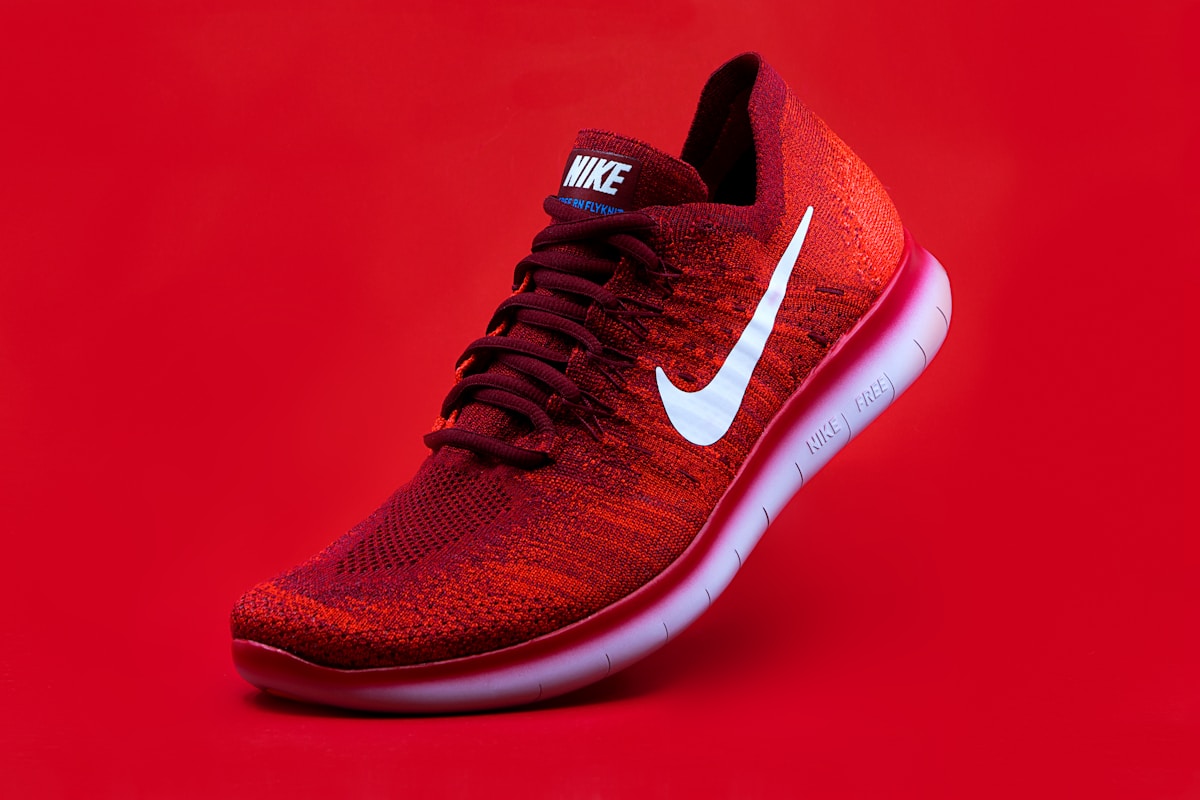
Most "best running shoes" lists are written by people who run 60 miles a week and think $180 is reasonable for footwear. This one is for the rest of us — people who want to start running, need shoes that won't destroy their knees on the first mile, and don't want to spend three figures on something they might use twice.
The road remembers every stride.After testing these on short runs (2-5K), longer efforts (5-10K), and enough walking to see how they hold up at the grocery store, here are the five shoes I'd actually recommend to someone lacing up for the first time.
Buying Your First Running Shoes
Three things matter more than brand loyalty:
- Fit over features. A $90 shoe that fits your foot shape beats a $180 shoe that doesn't. If your toes feel cramped or your heel slips, move on — no amount of cushioning or carbon fiber plates fixes a bad fit.
- Cushioning is king for beginners. Your legs aren't adapted to impact yet. Max-cushion shoes like the Bondi or Nimbus give you the most forgiveness while your body adjusts. You can transition to lighter, more responsive shoes later.
- Buy a half size up. Feet swell during runs. If you buy your street shoe size, you'll get black toenails. Measure your feet at the end of the day when they're largest.
Our Top Picks
Brooks Ghost 16 — Best Overall for Beginners
The Ghost is the Camry of running shoes — not exciting, not flashy, but it does everything well and never breaks down. The 16th version keeps the soft-but-not-mushy cushioning that made the Ghost a go-to recommendation at every running store. The ride is neutral and balanced: enough cushion for long runs, enough ground feel to know where your foot is, and a smooth heel-to-toe transition that doesn't fight you.
New runners overstride (landing with their foot too far in front), and the Ghost's crash pad in the heel absorbs that impact without punishing you for bad form. The engineered mesh upper breathes well and accommodates wider feet better than Nike or Adidas. The main downside is weight — at 10.2oz (men's 9), it's not a race shoe. But beginners shouldn't be racing anyway.
Best for: New runners who want one shoe that handles everything from a 10-minute jog to a 5K race.
Check price on Amazon →Hoka Clifton 9 — Best Max Cushion
If your knees, shins, or ankles have ever complained after a run, the Clifton 9 is the shoe that tells your joints to calm down. Hoka's EVA foam midsole is absurdly thick — it looks like a platform shoe — but the meta-rocker geometry rolls your foot forward so smoothly that you don't feel like you're running on marshmallows. It just feels like less impact with each step.
The catch: the tall stack height means less ground feel. If you like knowing exactly where your foot is landing, this shoe mutes that sensation. The outsole also wears faster than Brooks or Asics — expect 250-300 miles before the rubber starts showing its age, compared to 400+ for the Ghost. At $145, it's the most expensive shoe on this list. But for runners coming back from injury or carrying extra weight, the cushioning is worth the premium.
Best for: Runners with joint pain, heavier runners, and anyone recovering from shin splints.
Check price on Amazon →Nike Pegasus 41 — Best for Running and Gym
The Pegasus has been Nike's workhorse for 40 years because it's decent at everything and exceptional at nothing. Version 41 adds React X foam (slightly bouncier than the old React) and keeps the versatile, moderate cushioning that makes this shoe equally comfortable on a 3-mile road run and a gym circuit. If you're the type who runs two miles, does 30 minutes of weights, and calls it a workout, this is your shoe.
The fit is narrower than Brooks or Hoka — if you have wide feet, try the wide-width version or skip to the Ghost. The Zoom Air unit in the forefoot adds a pop of responsiveness that's fun on tempo runs but unnecessary for beginners just logging easy miles. At $90-110 depending on colorway, the Pegasus is one of the best value picks in Nike's lineup, which is saying something for a brand that usually charges a premium for the swoosh.
Best for: People who split time between running and the gym.
Check price on Amazon →Asics Gel-Excite 10 — Best Budget Pick
$70 gets you a legitimate running shoe with Gel cushioning in the rearfoot, a breathable mesh upper, and enough outsole rubber to last 300+ miles. The Excite 10 is Asics' entry-level neutral shoe, and it's surprisingly competent for the price. The Amplifoam midsole is softer than the FlyteFoam in premium Asics models, but it gets the job done for 2-3 mile runs three times a week.
Where it shows its budget: the upper is less structured than the Ghost or Pegasus (your foot slides around a bit on lateral movements), the heel counter is minimal, and the ride feels flat compared to shoes $30-50 more expensive. But if you're just starting and don't know if you'll stick with running, dropping $70 on the Excite is a smarter bet than $140 on a shoe that ends up gathering dust.
Best for: True beginners on a tight budget who aren't sure they'll stick with running.
Check price on Amazon →New Balance Fresh Foam X 1080v13 — Best for Long Runs
The 1080 is New Balance's premium neutral daily trainer, and v13 is the best version they've made. The Fresh Foam X midsole is plush without being sloppy — it compresses under your foot and bounces back, but it doesn't let your ankle wobble. The knit upper stretches where you need it (toe box) and holds where you need it (midfoot lock). At 9.3oz it's lighter than the Ghost and noticeably more responsive on faster efforts.
The problem: at $165, it's not a beginner price. But if you're already running 3+ miles at a time and want a shoe that will carry you through a half marathon, the 1080 v13 is worth the money. It's the shoe I'd pick if I could only own one pair — good for everything from recovery jogs to tempo runs. New Balance also offers it in multiple widths (narrow, standard, wide, extra wide), which matters more than most runners realize until they try a shoe that actually fits their foot shape.
Best for: Runners ready to invest in a long-term daily trainer with excellent width options.
Check price on Amazon →Comparison: At a Glance
| Shoe | Cushion | Weight | Best Surface | Price | Best For |
|---|---|---|---|---|---|
| Brooks Ghost 16 | Moderate | 10.2oz | Road / Treadmill | ~$110 | Most beginners |
| Hoka Clifton 9 | Maximum | 8.7oz | Road | ~$145 | Joint protection |
| Nike Pegasus 41 | Moderate | 9.8oz | Road / Gym | ~$90 | Run + gym |
| Asics Excite 10 | Light | 9.2oz | Road / Treadmill | ~$70 | Tight budget |
| NB 1080v13 | High | 9.3oz | Road / Long runs | ~$165 | Investment pick |
Frequently Asked Questions
Do I need expensive running shoes to start?
No. You need shoes that fit well, have decent cushioning, and don't cause blisters. The $80-120 range has excellent options from every major brand. The jump from a $90 shoe to a $180 shoe is smaller than the jump from running in whatever sneakers you already own to a proper running shoe. Start in the $80-120 range, run consistently for three months, then consider upgrading.
How do I know my running shoe size?
Running shoes should be a half to full size larger than your street shoes. Your feet swell during runs, and you need about a thumb's width of space between your longest toe and the end of the shoe. Measure your feet at the end of the day when they're at their largest. Width matters more than most beginners think — if your toes feel squished or your foot spills over the midsole, go wide.
What's the difference between road and trail running shoes?
Road shoes have smooth outsoles designed for pavement and treadmills — they're lighter and more cushioned. Trail shoes have aggressive lugs for grip on dirt, mud, and rocks, plus reinforced uppers to deflect debris. If you run 80% road and 20% groomed trail, road shoes are fine. If you're running technical singletrack, you need trail shoes.
How often should I replace running shoes?
Every 300-500 miles, or roughly every 4-6 months if you run 3-4 times per week. The cushioning degrades before the shoe looks worn — if your knees or shins start hurting and your shoes have 400+ miles, it's time. Write your purchase date on the tongue with a Sharpie so you don't forget.
Should beginners use stability shoes?
Only if you overpronate significantly. Most beginners do fine in neutral shoes. Stability shoes have a medial post that prevents the foot from rolling inward — helpful if you have flat feet or your ankles collapse inward on video. If you're not sure, start neutral. The wrong stability shoe can cause knee pain by forcing your foot into an unnatural position.
Can I use running shoes for gym workouts?
For light gym work and circuit training, yes — the Pegasus and Ghost handle both fine. For heavy lifting (squats, deadlifts), no. Running shoes have thick, squishy midsoles that make you unstable under heavy weight. If you lift and run in the same session, bring flat-soled shoes for the lifting portion.
We earn commissions from qualifying purchases. Prices and availability are subject to change. Last updated July 2026.
We earn commissions from qualifying purchases. Prices and availability are subject to change. Last updated July 2026.